19 Aug 2026
Mapping Stamina Curves Across Tracks, Fields, and Courts to Sharpen Multi-Leg Bet Constructions

Endurance arcs appear consistently in performance data from horse racing circuits, soccer leagues, and tennis tournaments, where sustained effort levels influence outcomes over extended durations. Observers note that these patterns help shape chained selections by highlighting periods when competitors maintain output despite fatigue accumulation, and operators integrate promotional bonuses to adjust stake structures during those windows.
Performance Data from Racetrack Circuits
Horse racing records show that stamina often peaks in the middle segments of longer distances, with split times revealing how animals conserve energy before late surges. According to industry reports from the Australian Competition and Consumer Commission, betting volumes on endurance-heavy races rose during the 2025 season as participants tracked sectional data more closely. Those who study form guides frequently combine early pace indicators with late-race closing speeds to build multi-leg selections that span several meetings in a single day.
August 2026 meetings at major tracks have already produced datasets where horses returning from short breaks demonstrate steadier mid-race positioning, allowing layered accumulator structures that pair favorites with longer-priced contenders who exhibit similar stamina retention. Promotional overlays from betting platforms add extra value when selections align with these observed arcs, extending potential returns without altering core probability calculations.
League Pitches and Sustained Output
Soccer matches across European and South American leagues display endurance patterns in the form of consistent pressing metrics and recovery rates after high-intensity periods. Data from the European Gaming and Betting Association indicates that teams maintaining possession control into the 70th minute correlate with higher rates of late-game goal involvement. Researchers compile these figures to refine accumulator chains that link matches from different time zones, connecting early kickoffs with evening fixtures where fatigue effects become measurable.
Analysts track player rotation schedules and weather conditions because both factors alter stamina curves on natural grass surfaces versus artificial pitches. When bonuses attach to multi-leg bets covering several leagues, the integration allows stake adjustments that reflect the statistical reliability of endurance-based selections rather than isolated match results.
Court Surfaces and Set-Long Trends
Tennis tournaments reveal endurance arcs through rally lengths and service hold percentages that decline gradually across multiple sets. Studies published in sports science journals from Canadian universities document how players adapt movement efficiency on clay versus hard courts, with longer rallies testing cardiovascular capacity more directly. These observations feed into chained selections where bettors combine individual player totals or set handicaps across several matches scheduled on the same surface type.
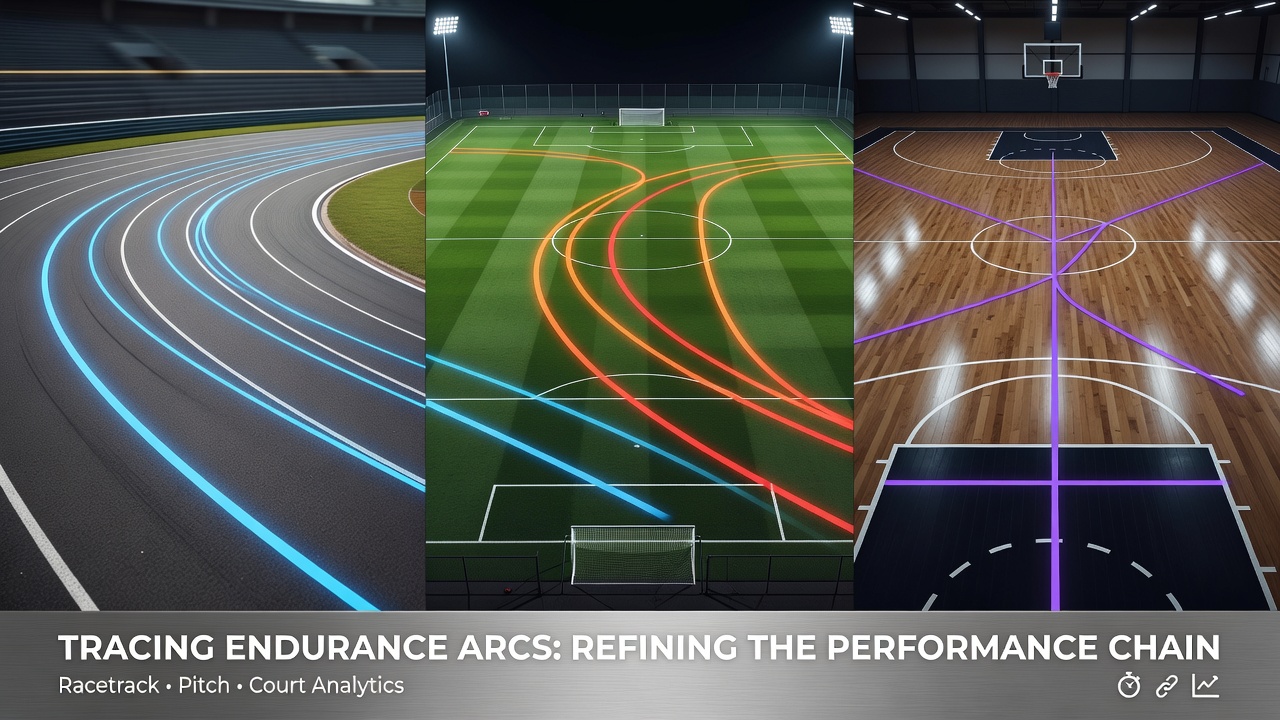
August 2026 hard-court swing events have generated fresh datasets showing how players with strong second-set recovery rates extend their performance into deciding sets. Operators apply bonus credits to accumulators that incorporate these patterns, creating additional layers where promotional funds supplement base stakes on selections drawn from both singles and doubles draws.
Integrating Bonuses with Chained Selections
Bonus structures activate when endurance-linked selections reach predetermined thresholds, such as completing four legs drawn from different sports or surfaces. Figures from the New Zealand Department of Internal Affairs show increased participation in such combined offerings during periods of overlapping racing and tennis calendars. The mechanics allow users to extend chains without proportional increases in risk exposure, provided the underlying stamina data remains consistent across the selected events.
Platform algorithms now flag matches or races where historical endurance metrics exceed seasonal averages, prompting automatic suggestions for inclusion in multi-leg builds. This process connects directly to the promotional layer, where matched deposits or free bet credits apply automatically once the chain reaches its required length.
Conclusion
Endurance arcs traced through racetrack circuits, league pitches, and court surfaces supply measurable inputs for constructing chained selections that incorporate bonus integration at defined stages. Data collected through 2026 continues to refine these approaches as operators and participants align statistical patterns with available promotional mechanics across multiple jurisdictions.