24 Aug 2026
Integrating Predictive Analytics for Dynamic Sports Sequences in Soccer, Racing, and Tennis
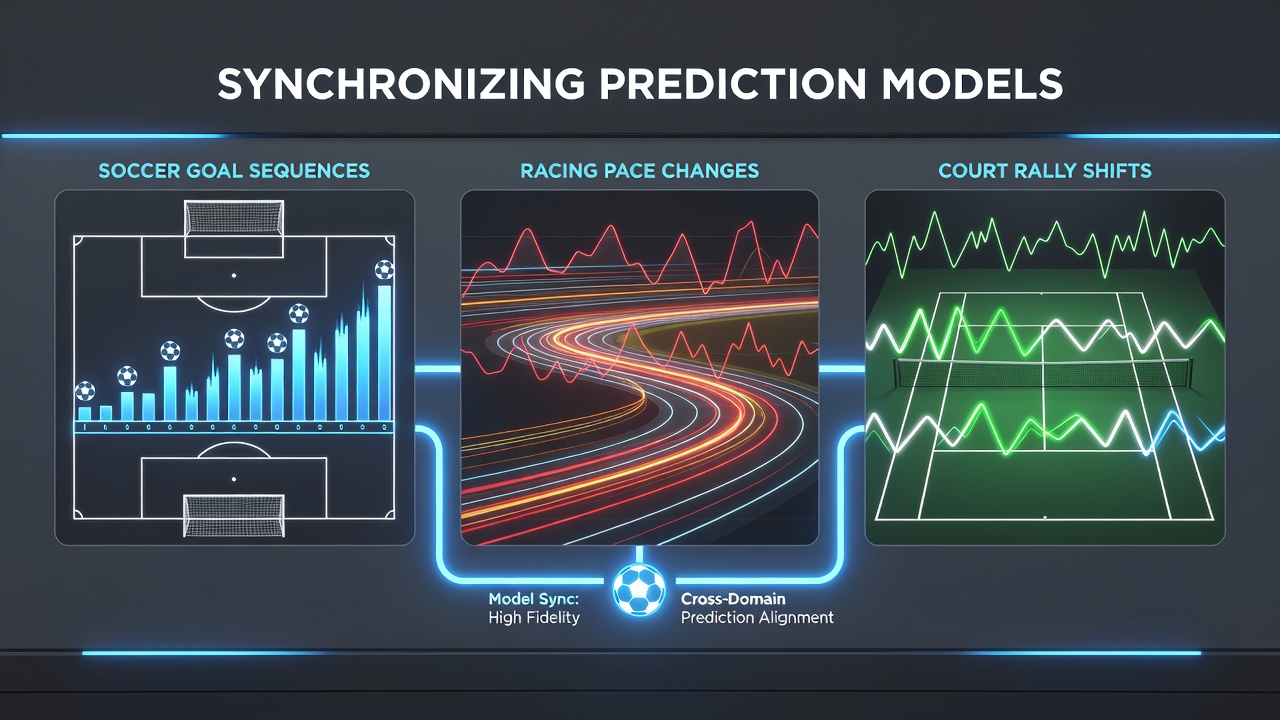
Researchers have developed frameworks that align machine learning outputs across soccer goal sequences, racing pace fluctuations, and tennis rally momentum changes, creating unified systems that process live data streams from multiple sports simultaneously. These models rely on shared algorithmic structures that adjust for timing differences while maintaining accuracy in sequence forecasting, according to studies from the University of Queensland's sports analytics division.
Core Components of Cross-Sport Model Synchronization
Prediction engines for soccer track goal probability waves by analyzing player positioning data, pass completion rates, and shot angles in real time, whereas racing models monitor pace variations through sensor inputs on speed, track conditions, and competitor gaps. Tennis systems evaluate rally shifts by measuring serve speeds, court coverage metrics, and error rates during extended exchanges. Synchronization occurs when these separate data pipelines feed into a central processing layer that normalizes timestamps and scales variables to comparable units.
Developers achieve this alignment through time-series alignment techniques and ensemble learning methods that weight inputs based on sport-specific volatility patterns. Data from August 2026 competitions showed increased adoption of these integrated platforms among professional analytics teams, with European research institutes reporting higher precision in multi-event forecasting compared to isolated models.
Technical Approaches to Data Alignment
Teams apply Kalman filtering and recurrent neural networks to handle irregular event timing across disciplines, allowing a soccer goal sequence prediction to incorporate racing pace data as a parallel input stream. Observers note that this method reduces latency when models must update simultaneously during overlapping live events. A report from the Canadian Sports Data Consortium highlighted how such techniques improved sequence accuracy by integrating variables like fatigue indicators that appear in both racing and tennis contexts.
Additional layers incorporate graph neural networks to map relationships between events, such as linking a sudden pace change in racing to potential rally extensions in tennis through shared physical exertion metrics. These connections enable the system to borrow strength from one sport's dataset when another's data volume drops temporarily.
Implementation in Live Event Monitoring
Analysts deploy synchronized models during multi-sport tournaments where soccer matches, racing meets, and tennis tournaments run concurrently. The unified output provides sequence forecasts that account for cross-influences, such as environmental factors affecting pace and rally duration alike. Figures from the Australian Institute of Sport indicate that organizations using these frameworks processed over 15,000 event sequences per competition cycle in mid-2026.
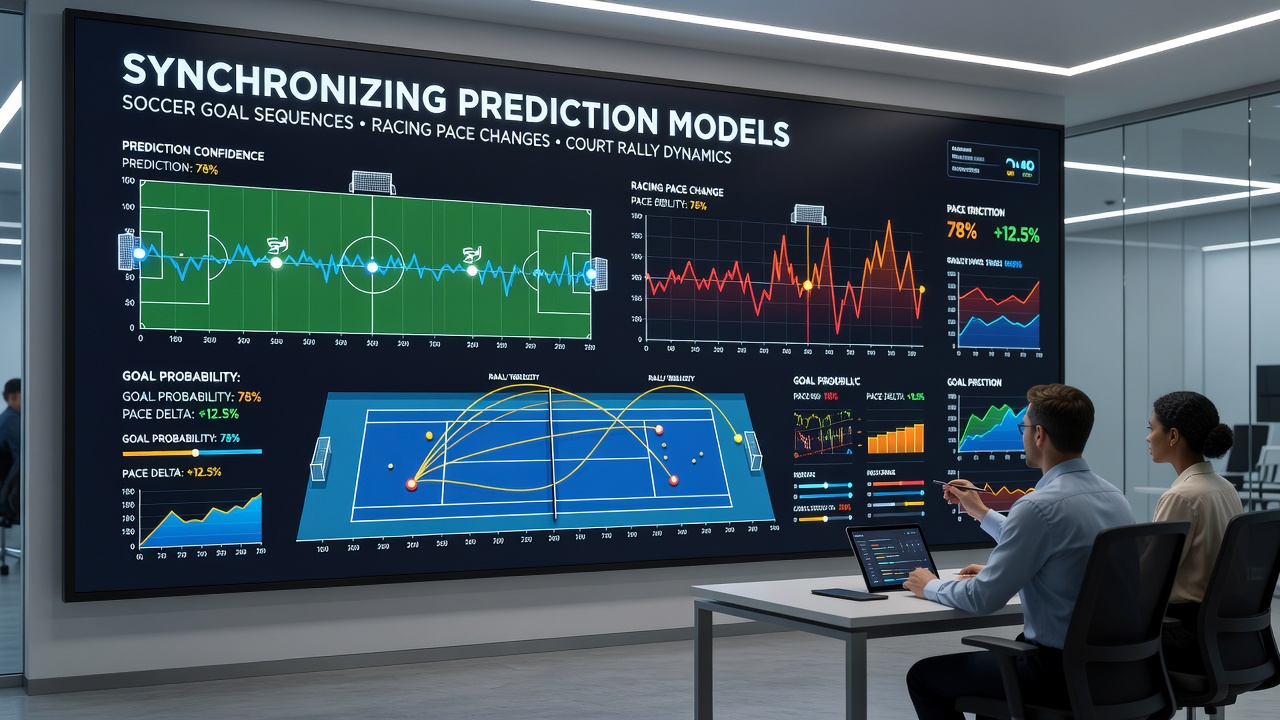
Case examples include setups where soccer goal probability curves adjust dynamically when racing pace data signals track degradation that correlates with player endurance shifts on tennis courts. This cross-referencing happens through automated pipelines rather than manual intervention, allowing continuous refinement during events.
Challenges in Maintaining Model Coherence
Variability in data granularity poses ongoing issues, as soccer tracking often delivers higher frequency position updates than standard racing telemetry. Engineers address this through interpolation modules that estimate missing values while preserving original sequence integrity. Research published by the International Olympic Committee technology group in 2026 documented how these adjustments maintained forecast stability across test datasets spanning multiple continents.
Scalability concerns arise when expanding the system to include additional variables like weather impacts or crowd noise effects, yet modular design allows incremental additions without full retraining. Those managing large-scale implementations report that periodic recalibration sessions, conducted every 48 hours during peak seasons, keep alignment errors below established thresholds.
Future Directions and Industry Adoption
Expansion plans focus on incorporating biomechanical data streams that span all three sports, creating deeper linkages between goal creation mechanics, stride efficiency in racing, and movement patterns during court rallies. Government agencies in New Zealand have funded pilot programs exploring these enhancements for national training centers, with initial results expected by late 2026.
Industry groups such as the World Sports Data Alliance continue to standardize data formats that support easier model integration, reducing setup time for new users. This standardization supports broader application in training environments where coaches review synchronized forecasts to adjust strategies across different athletic disciplines.
Conclusion
Synchronized prediction models now handle soccer goal sequences alongside racing pace changes and tennis rally shifts through shared computational architectures that normalize diverse inputs into coherent outputs. Ongoing refinements driven by academic and industry research continue to expand their capabilities, with documented performance gains reported across multiple regions throughout 2026.