30 Sep 2026
Algorithmic Filters Behind Layered Wagers in Tennis, Horse Racing, and Soccer
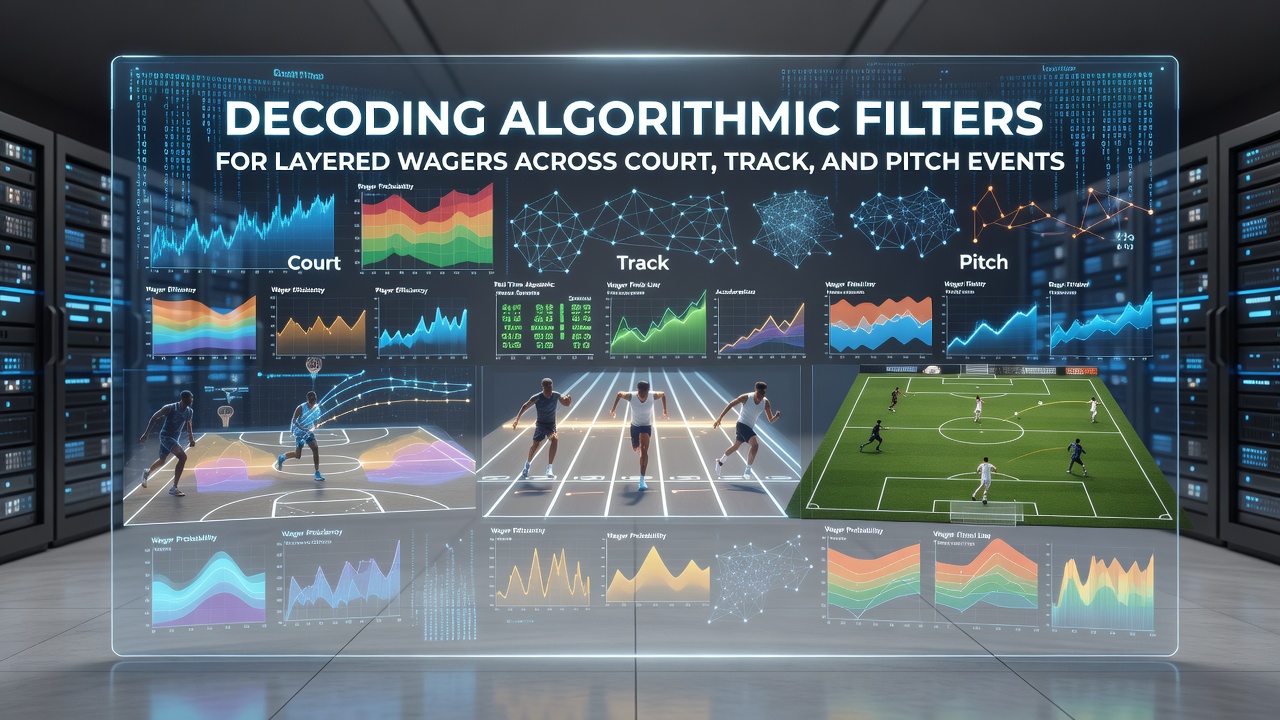
Algorithmic filters process vast datasets to identify viable combinations in multi-leg bets that span tennis matches, horse races, and soccer fixtures. These systems sort through player performance metrics, track conditions, and team form indicators before constructing layered wagers that link outcomes across different event types.
Data Inputs That Drive Filter Logic
Filters begin with structured inputs such as historical win rates on specific surfaces for tennis players, pace ratings and barrier draws for thoroughbreds, plus expected goal models for soccer teams. In September 2026 several European data providers released updated seasonal benchmarks that refined these models for late-year tournaments and fixtures. The algorithms assign weighted scores to each variable then apply threshold rules that exclude legs failing to meet minimum probability bands.
Researchers at sports analytics institutes have documented how filter layers reduce variance by cross-referencing real-time variables, including court speed measurements, going descriptions at racecourses, and pitch condition reports from stadium sensors. When a tennis player's recent serve percentage drops below a programmed threshold, the filter automatically down-ranks accumulators that rely on that player advancing deep into a tournament.
Cross-Sport Correlation Models
Layered wagers gain complexity when filters search for statistical relationships between unrelated disciplines. One common approach correlates high-volatility tennis sets with strong late-race pace figures from horses competing on similar dates, while soccer matches scheduled the same weekend supply lower-variance legs that stabilize overall payout ranges. Data indicates that such cross-referenced selections appear more frequently in operator platforms during major calendar overlaps.
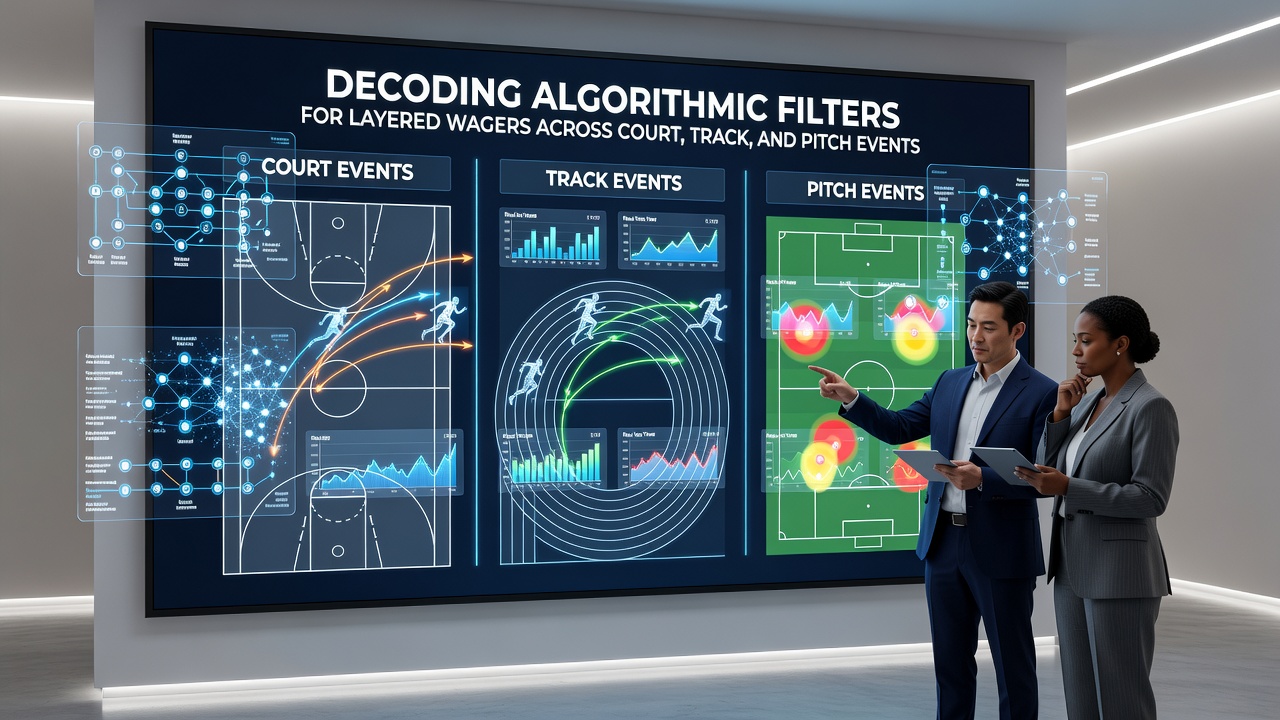
Industry reports from the Responsible Gambling Council of Canada highlight how operators deploy these filters to manage liability across simultaneous events. The models flag combinations where one leg's outcome statistically influences payout exposure on remaining selections, prompting automatic stake adjustments or exclusion of certain accumulator structures.
Real-Time Adjustment Mechanisms
Live data streams trigger filter recalibrations during events. A sudden change in court temperature, an updated track bias report, or an early goal in a soccer match can shift probability outputs within seconds. Systems then re-evaluate remaining legs and either reinforce or suppress the original layered wager. Observers note that these adjustments occur most visibly during overlapping schedules when tennis tournaments, race meetings, and league weekends coincide.
Academic papers published through the Australian Gambling Research Centre describe filter architectures that incorporate machine-learning components trained on five-year datasets. The models learn to recognize recurring patterns, such as improved performance by certain jockey-trainer combinations on tracks that also host weekend soccer fixtures drawing large attendances.
Implementation Across Betting Platforms
Platform operators integrate these filters into both pre-match and in-play interfaces. Users selecting multiple legs from different sports encounter automatic suggestions or exclusions generated by the underlying algorithms. In September 2026 several major operators reported higher volumes of cross-sport accumulators after introducing enhanced filter transparency tools that display simplified probability bands for each leg.
Those who study market data observe that filters also incorporate regulatory constraints, such as maximum payout caps or stake limits, by pruning combinations likely to breach those boundaries. This process occurs before the wager reaches the bet slip, reducing manual intervention by compliance teams.
Conclusion
Algorithmic filters continue to shape how layered wagers connect tennis courts, race tracks, and soccer pitches through systematic data evaluation. As datasets expand and correlation models improve, these systems maintain consistent roles in structuring multi-event bets while adapting to schedule changes and real-time variables throughout 2026.